Westminster Shorter Catechism (1647), Westminster Assembly

Question 83

Are all transgressions of the law equally heinous?

Some sins in themselves, and by reason of several aggravations, are more heinous in the sight of God than others.a

Are all transgressions of the law equally heinous?

Some sins in themselves, and by reason of several aggravations, are more heinous in the sight of God than others.a

  1. a. Ezekiel 8:6; Ezekiel 8:13; Ezekiel 8:15; 1 John 5:16; Psalm 78:17; Psalm 78:32; Psalm 78:56

    Ezekiel 8:6

    8:6 He said furthermore unto me, Son of man, seest thou what they do? even the great abominations that the house of Israel committeth here, that I should go far off from my sanctuary? but turn thee yet again, and thou shalt see greater abominations.

    8:6 "Son of man," He said to me, "do you see what they are doing-the great abominations that the house of Israel is committing-to drive Me far from My sanctuary? Yet you will see even greater abominations."

    Ezekiel 8:13

    8:13 He said also unto me, Turn thee yet again, and thou shalt see greater abominations that they do.

    8:13 Again, He told me, "You will see them committing even greater abominations."

    Ezekiel 8:15

    8:15 Then said he unto me, Hast thou seen this, O son of man? turn thee yet again, and thou shalt see greater abominations than these.

    8:15 "Son of man," He said to me, "do you see this? Yet you will see even greater abominations than these."

    1 John 5:16

    5:16 If any man see his brother sin a sin which is not unto death, he shall ask, and he shall give him life for them that sin not unto death. There is a sin unto death: I do not say that he shall pray for it.

    5:16 If anyone sees his brother committing a sin not leading to death, he should ask God, who will give life to those who commit this kind of sin. There is a sin that leads to death; I am not saying he should ask regarding that sin.

    Psalm 78:17

    78:17 And they sinned yet more against him by provoking the most High in the wilderness.

    78:17 But they continued to sin against Him, rebelling in the desert against the Most High.

    Psalm 78:32

    78:32 For all this they sinned still, and believed not for his wondrous works.

    78:32 In spite of all this, they kept on sinning; despite His wonderful works, they did not believe.

    Psalm 78:56

    78:56 Yet they tempted and provoked the most high God, and kept not his testimonies:

    78:56 But they tested and disobeyed God Most High, for they did not keep His decrees.

    King James VersionBerean Standard Bible

Diff style

Changes in The Baptist Catechism (1695), Question 88

No change.

No change.

The Baptist Catechism (1695), Question 88

Are all transgressions of the law equally heinous?

Some sins in themselves, and by reason of several aggravations, are more heinous in the sight of God than others.

Westminster Shorter Catechism (1647), Question 83

Are all transgressions of the law equally heinous?

Some sins in themselves, and by reason of several aggravations, are more heinous in the sight of God than others.

The Baptist Catechism (1695), Question 88

Are all transgressions of the law equally heinous?

Some sins in themselves, and by reason of several aggravations, are more heinous in the sight of God than others.

The Baptist Catechism (1695), Question 88

Are all transgressions of the law equally heinous?

Some sins in themselves, and by reason of several aggravations, are more heinous in the sight of God than others.

Westminster Shorter Catechism (modernized) (1647), Question 83

Are all transgressions of the law equally heinous?

Some sins in themselves, and by reason of several aggravations, are more heinous in the sight of God than others.

The Baptist Catechism (1695), Question 88

Are all transgressions of the law equally heinous?

Some sins in themselves, and by reason of several aggravations, are more heinous in the sight of God than others.

Related (2)

Westminster Larger Catechism (1647), parallel to this question

Question 150

Are all transgressions of the law of God equally heinous in themselves, and in the sight of God?

All transgressions of the law of God are not equally heinous; but some sins in themselves, and by reason of several aggravations, are more heinous in the sight of God than others.

Question 151

What are those aggravations that make some sins more heinous than others?

Sins receive their aggravations, 1. From the persons offending: if they be of riper age, greater experience or grace, eminent for profession, gifts, place, office, guides to others, and whose example is likely to be followed by others. 2. From the parties offended: if immediately against God, his attributes, and worship; against Christ, and his grace; the Holy Spirit, his witness, and workings; against superiors, men of eminency, and such as we stand especially related and engaged unto; against any of the saints, particularly weak brethren, the souls of them, or any other, and the common good of all or many. 3. From the nature and quality of the offense: if it be against the express letter of the law, break many commandments, contain in it many sins: if not only conceived in the heart, but breaks forth in words and actions, scandalize others, and admit of no reparation: if against means, mercies, judgments, light of nature, conviction of conscience, public or private admonition, censures of the church, civil punishments; and our prayers, purposes, promises, vows, covenants, and engagements to God or men: if done deliberately, wilfully, presumptuously, impudently, boastingly, maliciously, frequently, obstinately, with delight, continuance, or relapsing after repentance. 4. From circumstances of time and place: if on the Lord’s day, or other times of divine worship; or immediately before or after these, or other helps to prevent or remedy such miscarriages: if in public, or in the presence of others, who are thereby likely to be provoked or defiled.

Commentaries (9)

  • Joseph Alleine, 1672, A Most Familiar Explanation of the Assemblies Shorter Catechism

    Are all transgressions of the Law equally heinous? Some sins in themselves, and by reason of several aggravations, are more heinous in the sight of God than others.

    Joseph Alleine’s text
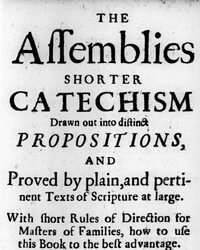
  • Thomas Lye, 1672, The Assemblies Shorter Catechism Drawn out into Distinct Propositions

    Are all the transgressions of the Law equally hainous? Some sins, in themselves, and by reason of several aggravations, are more hainous in the sight of God, than others.

    Thomas Lye’s text
  • Thomas Vincent, 1673, An Explicatory Catechism

    Are all the transgressions of the Law equally hainous? Some Sins in themselves, and by reason of several aggravations are more hainous in the sight of God than others.

    Thomas Vincent’s text
  • 1675, An Explicatory Catechism

    Are all transgressions of the Law equally hainous? Some sins in themselves, and by reason of several aggravations are more hainous in the sight of God than others.

    Its text
  • John Flavel, 1692, An Exposition of the Assembly’s Catechism

    Are all Transgressions of the Law equally hainous? Some Sins in themselves, and by reason of several Aggravations, are more hainous in the sight of God than others.

    John Flavel’s text
  • Thomas Watson, 1692, A Body of Practical Divinity

    Quest. Are all the Transgressions of the Law equally heinous? Answ. Some Sins in themselves, and by reason of several Aggravations, are more hainous in the sight of God than…

    Thomas Watson’s text
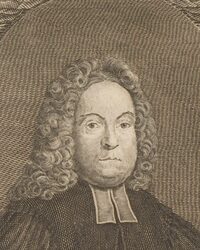
  • Matthew Henry, 1703, A Scripture Catechism

    Are all Transgressions of the Law equally Heinous? Some Sins in themselves, and by reason of several Aggravations, are more Heinous in the Sight of God than others.

    Matthew Henry’s text
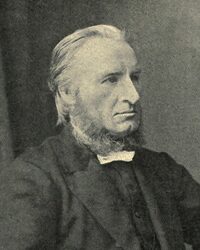
  • Alexander Whyte, 1883, A Commentary on the Shorter Catechism

    Some sins in themselves—“The Stoic philosophers, and some few of the less considerate Christians, have pretended that all sins are equal. Their reasons for it are not worth the…

    Alexander Whyte’s text
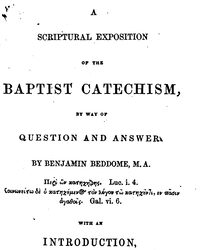
  • Benjamin Beddome, 1752, A Scriptural Exposition of the Baptist Catechism

    On The Baptist Catechism (1695), Question 88, which adapts this question

    Are all our sins known to God? Yes. They are before his face, Do sins receive their aggravations from the persons offending? Yes. My people is risen up as an enemy, Do sins also…

    Benjamin Beddome’s text